
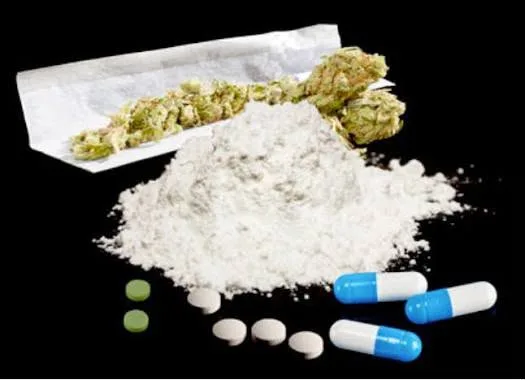
In some situations where the physical pain feels unbearable, modern medicine comes to the rescue. In the late 19th and early 20th century, before the long-term dangers of addiction were fully understood, the medical establishment heavily relied on substances like opium, cocaine, and even heroin as standard over-the-counter pain relievers. Now, 100+ years later, when modern medicine is at one of its highest levels yet, there are much more effective and safer options for many types of pain. One of these powerful drugs is fentanyl.
What Is Fentanyl?
Before moving forward, we need to understand exactly what fentanyl is.
Where Does Fentanyl Come From?
Fentanyl was first synthesized in 1959 by Dr. Paul Janssen, and by the 1960s, it was introduced to the medical world under the brand name Sublimaze. Following its widespread adoption as a clinical anesthetic, researchers quickly began developing closely related medical analogs.
Pharmaceutical Fentanyl vs. Illicitly Manufactured Fentanyl (IMF)
Pharmaceutical Fentanyl
An FDA-approved, highly potent synthetic medication traditionally prescribed to manage severe breakthrough cancer pain or administered during major surgeries. As a tightly restricted Schedule II prescription drug, it is only legally used in controlled clinical settings, such as via intravenous injections or prescription transdermal patches (like Duragesic). While highly effective for acute clinical pain, its extreme potency carries an inherently high risk for physical dependence if misused.
Illicitly Manufactured Fentanyl (IMF)
The vast majority of the modern overdose crisis is driven by IMF. Unregulated versions are cheaply synthesized in clandestine labs and frequently pressed into counterfeit pills or mixed into street heroin, cocaine, and methamphetamine. Because this occurs entirely without regulatory oversight or quality control, purity levels are highly variable and unpredictable, meaning users often consume this exceptionally lethal substance completely without their knowledge.
How Potent Is Fentanyl Compared to Morphine and Heroin?
As stated on DEA.gov's factsheet fentanyl page, "It is approximately 100 times more potent than morphine and 50 times more potent than heroin as an analgesic."
Let's go through these numbers. To understand what 100 times more potent than morphine really means, consider that potency in medicine refers to how much of a drug is required to produce an effect. Because fentanyl is so highly concentrated, a microscopic dose achieves the exact same level of pain relief as a much larger, standard medical dose of morphine. When you look at the second comparison, being 50 times more potent than heroin, it emphasizes that fentanyl is vastly stronger than an already incredibly powerful and dangerous street drug. This massive leap in strength explains why the margin of error with fentanyl is so unforgiving: a variation of just a few milligrams, an amount resembling a few grains of salt, is the difference between a medical therapeutic dose and a fatal overdose.
This is where fentanyl, which is meant to help people in need, can turn into an addictive substance.
Is Fentanyl an Opioid or an Opiate?
Opioid vs. Opiate — What's the Difference?
Before moving forward, it helps to clear up a common point of confusion: the difference between opioids and opiates. While both interact with the body in nearly identical ways, they differ in their chemical origin. Because of this, all opiates are opioids, but not every opioid is an opiate. Here is exactly how they differ.
| Characteristic | Opiates | Opioids |
|---|---|---|
| General Definition | A specific group of drugs that are naturally derived directly from the opium poppy plant. | A broad umbrella term that covers all natural opiates as well as man-made synthetic drugs. |
| Where They Come From | They are made directly from the raw plant matter of the poppy flower. | They are completely man-made from scratch using chemicals, or created by modifying natural ingredients. |
| How They Are Made | Natural extraction and refinement from the plant. | Chemical formulation in a manufacturing facility. |
| Common Examples | Morphine, Codeine, and Opium. | Fentanyl, Oxycodone, Hydrocodone, Methadone, and Heroin. |
So, is fentanyl an opioid? Because fentanyl is chemically synthesized in a laboratory, the answer is yes, it is an opioid.
Why Fentanyl Is Classified as a Synthetic Opioid
Fentanyl is classified as a synthetic opioid because it is manufactured entirely in a laboratory from chemical precursors. It contains no natural ingredients derived from the opium poppy plant, distinguishing it from both natural opioids (opiates) like morphine and semi-synthetic opioids like heroin.
What Is Fentanyl Used For?
We briefly touched on its medical applications, but let's look closer to understand what fentanyl is used for.
Approved Medical Use
Fentanyl is a potent synthetic opioid utilized primarily in clinical settings for surgical anesthesia, where anesthesiologists inject it directly into the bloodstream during operations like open-heart or orthopedic surgeries. It works rapidly to block pain and is combined with other anesthetic agents to ensure the patient remains pain-free throughout the procedure. It is also indicated for chronic cancer pain management, specifically for terminal cancer patients who have built up a high tolerance to regular opioids, as well as for acute and breakthrough pain relief when sudden flare-ups of extreme pain occur.
Prescription Forms
To accommodate these medical uses, fentanyl is available in several distinct delivery systems:
Intravenous (IV) Injections
Administered in hospital settings for immediate, rapid-acting anesthesia.
Transdermal Patches
Brand-name patches like Duragesic are applied directly to the skin, releasing the medication slowly over 72 hours to provide a steady, continuous dose of pain relief.
Lozenge / "Lollipops"
Brand-name options like Actiq are dissolved in the mouth, allowing the medication to be absorbed instantly through the mucous membranes to stop breakthrough pain within minutes.
Nasal Sprays and Tablets
Sublingual tablets (placed under the tongue) or nasal sprays are used for immediate relief, often in hospital settings when an IV line is not available.
A Note on Regulatory Changes: Because of the extreme risks associated with rapid-acting formats like lozenges and nasal sprays, the FDA historically managed their outpatient distribution under a strict safety program known as TIRF REMS. To mitigate the risk of accidental exposure and overdose, manufacturers discontinued the production of outpatient TIRF (Transmucosal Immediate-Release Fentanyl) medicines, prompting clinical teams to transition patients to alternative pain management protocols.
What Does Fentanyl Do to You?
Now that we have covered what fentanyl is used for, let's address the next important question: what does fentanyl do to you?
How Fentanyl Works in the Brain and Body
Fentanyl is highly lipophilic (meaning it dissolves rapidly in fats), allowing it to cross the blood-brain barrier almost instantly to interact with the central nervous system. Once inside, it alters the body's natural systems through several distinct phases:
- Targeted Receptor Binding: Fentanyl attaches directly to the brain's mu-opioid receptors. These receptors are naturally responsible for regulating how we perceive physical pain, emotional responses, and pleasure.
- Interrupted Pain Signals: By overwhelming these receptors, the drug effectively blocks pain signals traveling from the body to the spine and brain, drastically and immediately altering the perception of physical distress.
- An Unnatural Dopamine Surge: As it binds, it triggers a massive, flood-like release of dopamine in the brain's reward center. This results in the intense, artificial feelings of euphoria and deep physical relaxation associated with the drug.
- Accelerated Tolerance and Dependence: Because this dopamine flood is so intense, the brain tries to protect itself by reducing its own natural dopamine production and decreasing receptor sensitivity. Over time, the brain adapts to this artificial baseline, requiring higher and increasingly frequent doses just to function normally or avoid severe withdrawal.
Beyond its impact on brain chemistry, fentanyl directly suppresses the central nervous system, causing a cascade of slowed physical functions across other vital systems:
- Critical Respiratory Depression: Fentanyl directly slows the activity of the brain's respiratory center, which regulates breathing. This causes respiration to drop to life-threateningly shallow levels, or stop entirely.
- Gastrointestinal Slowing: The drug relaxes and slows the muscles of the digestive tract. This dramatically delays motility, frequently resulting in severe, painful constipation.
- Heart Rate and Systemic Changes: It actively slows the heart rate and relaxes blood vessels, which can cause drops in blood pressure and interfere with how the body naturally regulates temperature.
⚠ The Threshold of Lethality: Due to its extreme potency, a microscopic amount of fentanyl, roughly equivalent to just two grains of salt, is enough to trigger rapid, unperceived respiratory arrest and result in a fatal overdose.
Short-Term Effects
According to official safety guidelines published by the U.S. Drug Enforcement Administration (DEA), the immediate short-term physical and psychological effects of fentanyl use include:
- Intense relaxation and euphoria
- Rapid pain relief and heavy sedation
- Drowsiness, dizziness, and confusion
- Nausea, vomiting, and urinary retention
- Pupillary constriction (pinpoint pupils)
- Critical respiratory depression (slowed breathing)
Long-Term Effects
While the immediate dangers of an overdose are widely recognized, emerging research highlights the severe long-term damage the drug inflicts directly on brain tissue. A peer-reviewed study hosted on ScienceDirect examined the chronic effects of the drug on the cerebral cortex. The laboratory models revealed that prolonged exposure triggers severe oxidative stress and profound inflammation within brain tissues.
Furthermore, the data linked chronic use to accelerated cellular degradation, including:
- Apoptosis: Programmed cell death within the cerebral cortex.
- Neural Degeneration: The breakdown and loss of functional brain cells.
- White Matter Injury: Structural damage to the deep wiring of the brain responsible for passing signals between different regions.
These neurotoxic impacts help explain the persistent cognitive challenges and severe behavioral shifts often observed during prolonged dependency.
Fentanyl Side Effects
It is important to note that even when used strictly for medical purposes, patients may experience various types of fentanyl side effects.
Common Side Effects
According to clinical data compiled by Drugs.com, medical use of fentanyl frequently causes gastrointestinal and central nervous system distress. While these reactions are typical, they should still be monitored closely by patients and caregivers. The most common physical reactions include:
- Severe constipation and stomach cramping
- Nausea, vomiting, and loss of appetite
- Pronounced drowsiness and feelings of extreme tiredness
- Dizziness and headaches
- Localized skin irritation or redness at the patch application site
Serious Side Effects
Drugs.com warns that certain adverse reactions require immediate emergency medical intervention. These high-risk systemic symptoms can escalate quickly and indicate that the body is having a dangerous reaction to the medication. Seek emergency care immediately if you experience:
- A sudden drop in blood pressure leading to fainting or severe lightheadedness
- Profound mental confusion, hallucinations, or severe agitation
- Severe muscle rigidity or stiffness, making it difficult to move
- A rapid or pounding heartbeat (tachycardia)
- Signs of a severe allergic reaction, including swelling of the face, tongue, or throat and difficulty swallowing
Overdose Warning Signs
Because fentanyl is an exceptionally potent synthetic opioid, the margin between a therapeutic dose and a lethal dose is incredibly narrow. Data from Drugs.com outlines that identifying these symptoms early is critical for survival. The primary indicators of a life-threatening fentanyl overdose include:
- Severe respiratory depression, resulting in dangerously slow, shallow, or labored breathing that can stop entirely
- A total loss of consciousness or an inability to wake up (coma)
- Pinpoint pupils (the black center of the eye becomes extremely small)
- Cold, clammy skin
- Blue-tinted skin, lips, or fingernails (cyanosis), indicating a dangerous lack of oxygen
Fentanyl Withdrawal Symptoms
In addition to its side effects, it is important to understand fentanyl withdrawal symptoms and how they affect users both physically and psychologically.
Physical Symptoms
While patient reports note that fentanyl detox can feel incredibly intense, a 2023 study on fentanyl clearance and withdrawal timeline reveals that the drug actually binds to body fat, meaning the physical distress can linger much longer than traditional opioids. As the body struggles to clear these stored compounds, users often experience acute physical distress. The most common physical symptoms include:
- Severe muscle aches and joint pain throughout the body
- Gastrointestinal distress including intense nausea, vomiting, diarrhea, and stomach cramps
- Flu-like symptoms such as profuse sweating, chills, goosebumps, and a runny nose
- Restlessness and tremors, often presenting as an inability to keep the legs still (restless leg syndrome)
- Sleep disturbances and uncontrollable yawning despite profound exhaustion
Psychological Symptoms
The prolonged clearance of the drug doesn't just impact the body; it also takes a massive toll on mental health. According to the peer-reviewed research on PubMed Central's study on fentanyl metabolism, this delayed detox process can complicate medical treatment and trigger unexpected, severe chemical imbalances that cause intense emotional instability. The primary psychological symptoms include:
- Intense drug cravings, driven by changes in the brain's reward pathways
- Severe anxiety and panic attacks as the central nervous system rebounds into overdrive
- Extreme irritability and agitation, making it difficult to find physical or mental comfort
- Depressive moods and anhedonia, a temporary inability to feel pleasure or joy
- Profound mental fog and an overwhelming sense of emotional distress or dread
Fentanyl Withdrawal Timeline
Understanding the precise fentanyl withdrawal timeline is crucial for patients and healthcare providers, as the drug's fat-soluble properties can cause symptoms to emerge and peak differently than traditional opioids.
How Long Does Fentanyl Withdrawal Last?
According to the same article, the acute detox process typically begins within 6 to 12 hours after the last dose, reaches peak physical intensity between days 1 and 3, and generally subsides within a week.
| Phase | Timeframe | Primary Symptoms |
|---|---|---|
| Onset | 6–12 hours | Early anxiety, restlessness, runny nose, and constant yawning |
| Early | 12–24 hours | Escalating muscle aches, sweating, chills, and insomnia |
| Peak | 24–72 hours | Severe vomiting, diarrhea, intense bone pain, and deep dysphoria |
| Subacute | Days 4–7 | Gradual reduction in physical pain, residual fatigue, and mood swings |
Post-Acute Withdrawal Syndrome (PAWS)
Even after the initial week of physical detox is complete, long-term chemical imbalances can cause symptoms that stretch on for weeks or months. This prolonged recovery phase occurs because the brain's receptors require extended time to heal and adjust to functioning completely without the synthetic opioid. The most common symptoms experienced during PAWS include:
- Persistent sleep issues and chronic fatigue
- Intermittent, intense cravings triggered by environmental stressors
- Anxiety, depression, and sudden, unprovoked mood swings
- Anhedonia, which is a temporary inability to feel joy or excitement in daily life
- Poor stress tolerance and difficulty concentrating or managing emotions
Fentanyl Overdose Signs and How Naloxone (Narcan) Works
How to Recognize a Fentanyl Overdose
Because fentanyl is incredibly potent, an overdose can happen within minutes, making rapid identification critical. According to data hosted on PubMed Central regarding emergency opioid reversal, the primary indicator of an overdose is severe respiratory depression, where breathing becomes dangerously slow, shallow, or stops entirely. The most common signs of a fentanyl overdose include:
- The "Death Rattle": Choking, gurgling, or heavy snoring sounds that indicate a partially blocked airway.
- Blue or Gray Skin Tones: Lips, fingertips, or skin turning blue (on lighter skin) or grayish-ashy (on darker skin) due to a lack of oxygen.
- Pinpoint Pupils: The centers of the eyes look like tiny black dots and do not react to light.
- Profound Unresponsiveness: The person cannot be woken up by shouting or firmly rubbing your knuckles into their chest bone (sternum rub).
- Limp Body: Muscles are completely relaxed, and the limbs drop heavily.
Naloxone (Narcan) is the emergency medication used to reverse an opioid overdose. You can read more about the mechanism of naloxone, which works by rapidly binding to the same mu-opioid receptors and displacing the fentanyl to restore normal breathing.
Fentanyl and the U.S. Overdose Crisis (Latest Statistics)
Current CDC Overdose Data (as of 2025/early 2026 data)
According to the latest federal metrics released by the CDC's National Vital Statistics System, the United States is experiencing a major shift with a projected 13.9% decline in drug overdose fatalities, dropping the annual predicted death toll to 69,973. Despite this encouraging downward trend, the CDC's provisional drug overdose data confirms that illicitly manufactured synthetic opioids, primarily fentanyl, remain the leading driver of drug-related fatalities, still accounting for nearly 70% of all recorded drug poisoning cases nationwide.
Treatment for Fentanyl Addiction
The road to recovering from fentanyl is vastly different from traditional opioids. Because the drug hides in body fat and causes intense physical and psychological distress, attempting to navigate withdrawal alone can feel completely overwhelming. True healing requires professional medical stabilization combined with deep, compassionate emotional support. Recognizing these distinct challenges, iVital Wellness Center provides a dedicated environment built specifically to guide individuals through the complexities of synthetic opioid recovery with dignity and safety.
Medically Supervised Detox
Because of the prolonged clearance window unique to fentanyl, the initial phase of purging the drug from the body requires specialized clinical oversight to ensure both safety and comfort. The medically supervised detox program at iVital Wellness Center focuses on easing acute withdrawal distress in a gentle, highly monitored setting. Professionals continuously manage physical symptoms, track vitals, and provide constant reassurance, transforming a difficult physical transition into a safe, manageable first step.
Medication for Opioid Use Disorder (Buprenorphine, Methadone, Naltrexone)
Stabilizing brain chemistry is an essential shield against the intense, long-lasting cravings caused by heavy synthetic opioid use. The clinical team works closely with individuals to evaluate and implement specialized medications for opioid use disorder, such as buprenorphine, methadone, or naltrexone. Rather than substituting one dependency for another, these targeted protocols safely calm the brain's receptors. This chemical stabilization alleviates severe cravings and prevents sudden, precipitated withdrawal, clearing the mental fog so emotional healing can begin.
Levels of Care and Therapy
Sustainable recovery extends far beyond the initial physical detox, requiring a holistic rebuilding of a person's coping mechanisms and daily life. To support individuals throughout the entire timeline of their recovery, including the long-term management of Post-Acute Withdrawal Syndrome (PAWS), care is structured across multiple levels, from intensive programs to flexible outpatient counseling. Through tailored therapy sessions, individuals explore the root causes of dependency, learn healthy strategies for managing stress, and rebuild their lives within a deeply caring, supportive community.
As the growth of illegal fentanyl use continues, the Drug Enforcement Administration has officially opened registration for the inaugural 2026 Fentanyl Free America Summit, a major national gathering in Orlando, Florida dedicated to combating the fentanyl crisis. Visit the official DEA summit page for more information.
Help Is Available 24/7
If you or someone you know is struggling, free and confidential support is available around the clock.
988 Suicide and Crisis Lifeline: Call or text 988.
SAMHSA National Helpline: 1-800-662-HELP (4357).
Fentanyl Addiction Is Treatable
Our medically supervised detox program is built around your safety and long-term recovery. Compassionate support is available 24 hours a day.
Disclaimer: The information provided in this article is for educational purposes only and is not intended as medical advice. Fentanyl is an exceptionally potent synthetic opioid, and navigating withdrawal or addiction recovery carries significant medical risks. Always consult a qualified healthcare professional or addiction specialist before initiating a detox protocol. If you suspect an active drug overdose, please call 911 immediately.