
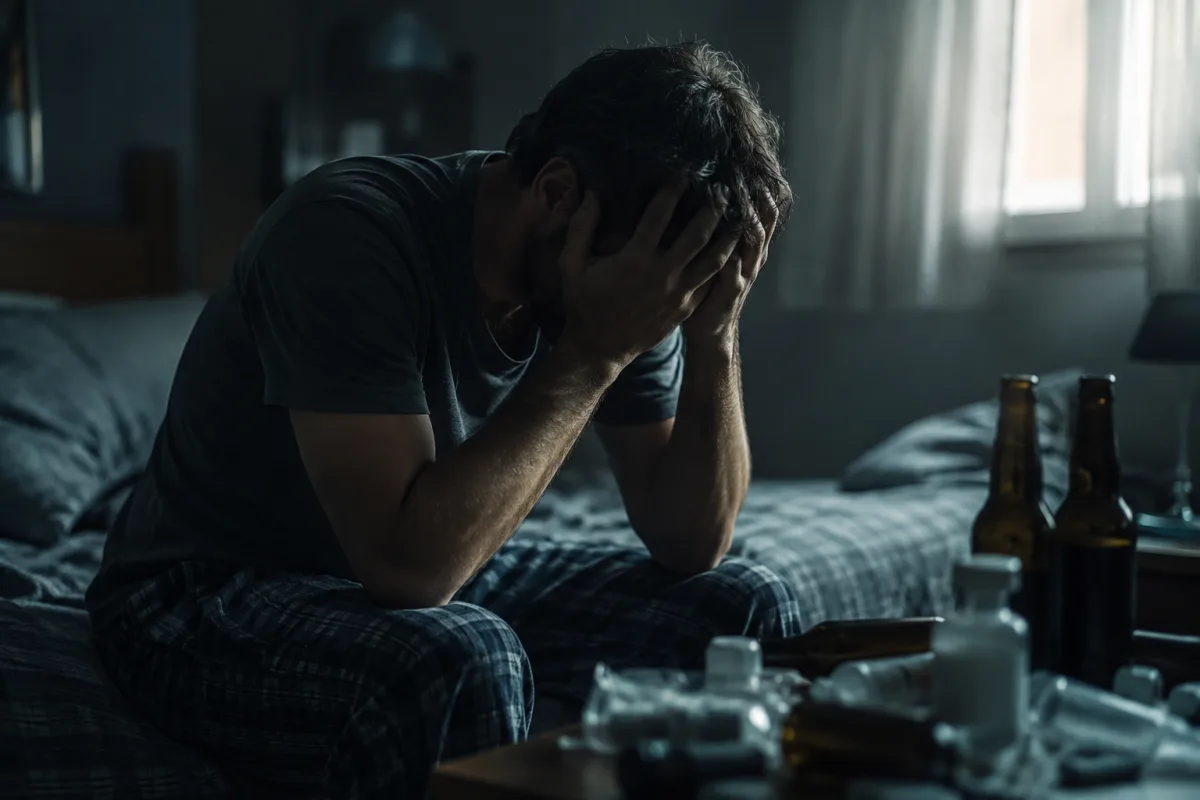
Stopping alcohol can feel like a simple decision: have the last drink, get through the first few uncomfortable days, and move forward. For someone who has developed physical dependence on alcohol, however, withdrawal can be much more complicated.
Alcohol withdrawal symptoms can begin within hours after a person stops drinking or significantly reduces their alcohol intake. They may range from anxiety, shaking, sweating, nausea, and insomnia to seizures, hallucinations, severe confusion, and delirium tremens. The timing and severity are different for every person, which is why trying to predict withdrawal based only on how much someone drinks can be misleading.
For people who have been drinking heavily or regularly for a prolonged period, stopping suddenly can be medically dangerous. The National Institute on Alcohol Abuse and Alcoholism (NIAAA) notes that alcohol withdrawal can become life-threatening and that some people require medical care and monitoring to safely manage the process.
That does not mean everyone who stops drinking needs inpatient detox. The appropriate level of care depends on the individual's alcohol use history, previous withdrawal experiences, medical conditions, current symptoms, and other clinical factors.
At iVital Wellness in Santa Clarita, the goal is to make that decision safer and clearer. Our team provides medically supervised alcohol detox with 24/7 monitoring and medication-assisted treatment when appropriate, followed by continued treatment when clinically indicated.
If you are concerned about what may happen after your last drink, understanding the alcohol withdrawal timeline, recognizing warning signs, and knowing when professional help is appropriate can be an important first step.
If severe symptoms occur, this is an emergency. Seizures, severe confusion, hallucinations, fever, difficulty breathing, or an irregular heartbeat during alcohol withdrawal require emergency medical care. Call 911 immediately.
What Is Alcohol Withdrawal?
Alcohol withdrawal occurs when a person who has developed physical dependence on alcohol suddenly stops drinking or significantly reduces their alcohol intake.
With repeated heavy alcohol use, the brain and nervous system adapt to the presence of alcohol. When alcohol is removed, the nervous system can become excessively active. That change can produce the physical and psychological symptoms associated with withdrawal.
The symptoms are not simply a more severe hangover. Alcohol withdrawal may involve:
- Anxiety or nervousness
- Shaking or tremors
- Sweating
- Headache
- Nausea or vomiting
- Insomnia
- Irritability
- Rapid heart rate
- Elevated blood pressure
- Mood changes
- Confusion
- Hallucinations
- Seizures
- Delirium tremens
Symptoms can vary considerably from one person to another. Some people experience relatively mild symptoms, while others develop complications requiring intensive medical management. This is one reason it can be difficult to determine whether someone can safely go through withdrawal without professional support.
If alcohol use has become difficult to control, or if withdrawal symptoms occur whenever drinking stops, it may also be a sign of alcohol use disorder (AUD). NIAAA identifies withdrawal symptoms — including shakiness, nausea, sweating, racing heart, and seizures — as one of the clinical signs associated with AUD.
For a broader look at the difference between problematic drinking and dependence, read our guide to alcohol addiction treatment.
What Are the Early Symptoms of Alcohol Withdrawal?
Early alcohol detox symptoms can appear surprisingly quickly. For many people, symptoms begin within approximately six to 24 hours after the last drink, although timing varies. Early symptoms may include:
- Anxiety
- Restlessness
- Tremors or shaking
- Sweating
- Headache
- Nausea
- Insomnia
- Irritability
- Increased heart rate
- Increased blood pressure
A person may initially think they are simply experiencing a bad hangover. The important difference is that withdrawal can progress as the nervous system reacts to the absence of alcohol.
Cleveland Clinic reports that withdrawal commonly begins within six to 24 hours after stopping or significantly reducing heavy, long-term alcohol use. Symptoms can increase in intensity depending on the severity of withdrawal.
If someone has a history of complicated withdrawal, seizures, severe medical conditions, or significant alcohol dependence, early symptoms should not be ignored simply because they appear manageable. Professional assessment can help determine the safest next step.
Alcohol Withdrawal Timeline: What Can Happen After the Last Drink?
One of the most common questions people search for is: how long does alcohol withdrawal last?
There is no single timeline that applies to everyone. The general progression below is useful for understanding why monitoring can matter, but it should not be used as a personal prediction or detox plan.
- 6–12 hours: early withdrawal symptomsEarly symptoms can begin during the first several hours after the last drink: anxiety, headache, mild tremors, sweating, nausea, insomnia, restlessness, and increased heart rate. Some people may experience only mild symptoms. Others may become progressively more uncomfortable over the following hours.
- 12–24 hours: symptoms may intensifyTremors, sweating, anxiety, nausea, and insomnia may continue or worsen. Depending on the severity of withdrawal, some individuals can also experience perceptual disturbances or hallucinations. This is one reason the first day should not automatically be treated as proof that the process will remain mild.
- 24–48 hours: higher-risk complications can developFor people experiencing complicated withdrawal, seizure risk is particularly concerning during this period. MedlinePlus notes that alcohol-withdrawal seizures most commonly occur within the first 12 to 48 hours after the last drink. Anyone who has previously experienced withdrawal seizures may require particular clinical attention.
- 48–72+ hours: severe withdrawal may appearSevere complications, including delirium tremens (DTs), can occur later than the initial symptoms. Delirium tremens involves severe changes in mental and nervous system function and can include confusion, agitation, hallucinations, and fever. MedlinePlus describes DTs as a medical emergency.
Feeling okay during the first several hours does not guarantee that withdrawal will remain safe or mild. The course varies according to the individual's history and medical circumstances.
How Long Does Alcohol Withdrawal Last?
For some people, the most noticeable withdrawal symptoms improve within several days. Others may experience sleep problems, mood changes, fatigue, anxiety, or other symptoms for longer.
MedlinePlus reports that symptoms commonly peak within 24 to 72 hours but may continue for weeks in some cases. In our own experience at iVital Wellness, withdrawal symptoms often peak during the first few days and improve over one to two weeks, though every person's experience is different.
This variation is important when deciding whether detox is appropriate. The question should not simply be how many days will withdrawal last? A better question is: what level of medical support is appropriate for this person's withdrawal risk?
That decision can depend on previous withdrawal episodes, current health, alcohol-use pattern, co-occurring conditions, medications, and whether serious symptoms have occurred before.
What Is Severe Alcohol Withdrawal?
Severe alcohol withdrawal is more than feeling uncomfortable. Potentially serious symptoms include:
- Severe or worsening tremors
- Hallucinations
- Severe confusion
- Disorientation
- Seizures
- Significant agitation
- Fever
- Rapid heart rate
- Irregular heartbeat
- Delirium tremens
Severe withdrawal can become life-threatening and requires urgent medical attention. NIAAA specifically warns that withdrawal after chronic heavy drinking can be dangerous and that intensive medical monitoring may be necessary for people at risk of severe symptoms.
Alcohol Withdrawal Seizures
A seizure during alcohol withdrawal is a medical emergency. Withdrawal seizures can occur even without all of the other symptoms associated with delirium tremens. MedlinePlus notes that they most commonly occur during the first 12 to 48 hours after the last drink and are more common in people who have experienced withdrawal complications previously.
Anyone experiencing a seizure should receive emergency medical care.
Alcohol Withdrawal Delirium
Delirium tremens, sometimes called alcohol withdrawal delirium, is one of the most severe forms of withdrawal. Symptoms can include severe confusion, agitation, hallucinations, fever, tremors, rapid heart rate, and significant changes in mental status.
DTs can progress quickly and should be treated as a medical emergency.
Can Alcohol Withdrawal Be Dangerous?
Yes. This is one of the most important facts anyone considering stopping heavy or prolonged alcohol use should understand.
Alcohol withdrawal can range from mild to life-threatening. NIAAA reports that alcohol withdrawal accounts for substantial emergency medical utilization in the United States and that some people require medical detox to manage potentially dangerous symptoms.
Risk can be influenced by factors such as:
- Long-term heavy alcohol use
- Previous withdrawal episodes
- Previous withdrawal seizures
- Previous delirium tremens
- Significant medical conditions
- Co-occurring mental health conditions
- Other substance use
- Certain medications
- The severity of current symptoms
That is why there is no universally safe “home detox” formula. If you have been drinking heavily for a prolonged period, talk with a qualified healthcare professional before abruptly stopping alcohol. If severe confusion, hallucinations, seizures, fever, or other serious symptoms occur, seek emergency medical care immediately.
Can You Detox From Alcohol at Home?
This is one of the most important questions for someone searching for alcohol detox near me or trying to decide whether professional treatment is necessary. The answer depends on the person's individual risk.
Some people with mild withdrawal may be appropriate for outpatient management under medical guidance. Others require a higher level of monitoring, including medically supervised detox. NIAAA notes that treatment settings can range from outpatient care to residential and intensive inpatient services, depending on clinical needs.
The problem with attempting to determine your own risk is that withdrawal severity can be difficult to predict. Someone may have experienced relatively mild withdrawal in the past and develop more serious symptoms during a later episode. Previous withdrawal complications are especially important information for clinicians when assessing risk.
If you are unsure whether you need professional support, the safest approach is to speak with a healthcare professional or addiction treatment provider before stopping alcohol abruptly.
At iVital Wellness, the admissions process is designed to help determine appropriate treatment options based on the individual's needs. The team begins with an initial consultation, followed by assessment and insurance verification before arrival and intake.
Not Sure Whether You Need Medical Detox?
A confidential conversation with our admissions team can help you understand your withdrawal risk before you stop drinking.
What Happens During Medical Alcohol Detox?
A medical alcohol detox program focuses first on safe withdrawal management.
At iVital Wellness, the medical alcohol detox program in Santa Clarita provides 24/7 monitoring and medication-assisted treatment when appropriate. The team monitors clients throughout withdrawal, manages symptoms, and provides support while the body stabilizes.
Depending on individual needs, medical detox may include:
- Continuous clinical monitoring
- Assessment of withdrawal symptoms
- Medication when clinically appropriate
- Monitoring vital signs
- Hydration and nutritional support
- Individual support and counseling
- Preparation for continued addiction treatment
The purpose of detox is not simply to make someone feel better. Detox helps create a safe foundation for the next stage of recovery.
The American Society of Addiction Medicine (ASAM) emphasizes that withdrawal management by itself is not sufficient treatment for alcohol use disorder. Withdrawal management should be connected to ongoing treatment and recovery support when appropriate.
This distinction is critical. Detox manages withdrawal. Treatment addresses the addiction.
Alcohol Detox vs. Residential Treatment
Medical detox and residential treatment serve different purposes.
Medical Alcohol Detox
Detox focuses primarily on safely managing withdrawal and stabilizing the body. At iVital Wellness, detox typically involves 24/7 medical supervision and may include medication-assisted treatment when appropriate. Detox commonly lasts approximately five to ten days depending on the substance and individual needs, followed by transition into residential treatment.
Residential Treatment
Residential treatment continues after the acute withdrawal phase. Instead of focusing primarily on withdrawal management, residential care gives clients structured time to work on the behavioral, emotional, and psychological aspects of addiction.
Our 30-day residential program includes individual therapy three to five times per week, group therapy and peer support, family therapy, educational workshops, relapse-prevention skills, personalized treatment planning, and discharge planning. For someone who needs continued structure after detox, residential addiction treatment can provide the next stage of care.
Can Insurance Cover Alcohol Detox?
The cost of treatment is one of the biggest reasons people delay seeking help. Insurance may help cover eligible addiction treatment services, but coverage depends on the specific policy.
Important factors can include:
- Deductible
- Coinsurance
- Out-of-pocket maximum
- Network status
- Behavioral health benefits
- Prior authorization
- Level of care
- Length of treatment
iVital Wellness works with most major insurance plans and accepts many major PPO plans, though residential treatment benefits can vary and may be limited in duration. That means you should not assume either that insurance will cover everything or that treatment must be paid entirely out of pocket. The best way to understand your situation is to verify your benefits.
Can PPO Insurance Help With Alcohol Detox?
PPO plans can provide flexibility in choosing healthcare providers, including certain out-of-network services depending on the individual plan.
We accept major PPO insurance plans, including carriers such as Blue Cross Blue Shield, Aetna, Cigna, UnitedHealthcare, Anthem, Humana, Magellan Health, First Health, and Beacon Health Options, along with regional and employer-sponsored PPO plans. Coverage still depends on the specific member's benefits.
This is why alcohol detox with insurance should always begin with benefits verification rather than assumptions. A benefits check can help clarify what your plan may cover and what your potential financial responsibility could look like.
You can learn more in our guide to PPO insurance coverage for drug and alcohol rehab.
When Should You Seek Professional Help?
You do not have to wait until withdrawal becomes severe before asking for help. Professional support may be especially important if:
- You drink heavily or regularly
- You experience shaking when you stop drinking
- You need alcohol to feel normal
- You have tried to stop before and developed withdrawal symptoms
- You previously experienced a withdrawal seizure
- You previously experienced hallucinations or delirium
- You have significant medical conditions
- You have a co-occurring mental health condition
- You are unsure whether stopping suddenly is safe
NIAAA recommends seeking medical help to plan a safe recovery when someone has been drinking heavily for a prolonged period and is considering stopping. And if severe symptoms such as seizures, hallucinations, severe confusion, fever, or irregular heartbeat occur, emergency medical care is appropriate.
Why Choose iVital Wellness for Alcohol Detox in California?
Choosing an alcohol detox center is not only about finding a place to stop drinking. It is about finding a treatment environment where medical care, behavioral healthcare, and continuing recovery support work together.
iVital Wellness is located in Santa Clarita, California, and provides a continuum of care that includes medical detox, residential rehabilitation, and dual diagnosis treatment. Our approach combines medical detoxification with individualized therapy and support, and the residential program includes individual, group, and family therapy, educational workshops, relapse-prevention work, and discharge planning.
For clients experiencing both addiction and mental health challenges, our dual diagnosis treatment integrates psychiatric evaluation, medication management when appropriate, individual therapy, group therapy, trauma-informed care, and other specialized interventions.
The goal is not simply to get through withdrawal. It is to help create a foundation for long-term recovery.
What Happens After Alcohol Detox?
Completing detox is an important milestone, but it does not necessarily mean the addiction itself has been treated.
Alcohol use disorder can involve behavioral patterns, emotional triggers, relationships, mental health concerns, and environmental factors that continue after the alcohol has left the body. That is why continuing treatment can be important.
Depending on clinical needs, the next step may include residential treatment, therapy, dual diagnosis care, relapse-prevention work, family support, and discharge planning. For people with co-occurring mental health concerns, integrated dual diagnosis treatment can address both conditions rather than treating addiction in isolation.
Frequently Asked Questions About Alcohol Withdrawal
What are the first symptoms of alcohol withdrawal?
Early symptoms can include anxiety, tremors, sweating, headache, nausea, insomnia, restlessness, and increased heart rate. Symptoms often begin within hours after the last drink, but timing varies.
How long does alcohol withdrawal last?
The most intense symptoms often occur during the first several days, but the duration varies by individual. Some symptoms can continue for weeks or longer.
When does alcohol withdrawal peak?
For many people, withdrawal symptoms peak within approximately 24 to 72 hours. However, severe complications can develop during this period, so the timeline should not be used to determine personal safety without professional assessment.
Can alcohol withdrawal cause seizures?
Yes. Alcohol withdrawal seizures can occur, particularly during the first 12 to 48 hours after the last drink. Anyone experiencing a seizure needs emergency medical care.
What is delirium tremens?
Delirium tremens is a severe form of alcohol withdrawal involving sudden and severe changes in mental or nervous system function. Symptoms can include severe confusion, agitation, hallucinations, fever, and tremors. It is a medical emergency.
Is medical alcohol detox necessary for everyone?
No. The appropriate level of care depends on the person's withdrawal risk and clinical circumstances. Some people may be treated in an outpatient setting, while others require intensive medical monitoring.
Can I stop drinking at home?
Some people with mild withdrawal may be appropriate for outpatient management under medical guidance, but people with significant alcohol dependence or a history of severe withdrawal may need medically supervised care. Do not assume that a previous mild withdrawal episode guarantees that the next one will be mild.
Does insurance cover alcohol detox?
Some health insurance plans provide benefits for alcohol and substance use treatment, but coverage varies by policy, level of care, network status, deductible, and other factors. Insurance verification is the best way to understand your individual benefits.
How can I verify my PPO insurance for alcohol detox?
Our admissions team can help verify insurance benefits and explain treatment options. The process begins with an initial consultation followed by assessment and insurance verification.
What happens after detox?
Detox addresses withdrawal and stabilization. Ongoing treatment may then address the underlying addiction through residential treatment, therapy, relapse prevention, family support, and other evidence-based services. ASAM emphasizes that withdrawal management alone is not treatment for alcohol use disorder.
A Safer First Step Starts With a Conversation
Alcohol withdrawal can be unpredictable, but you do not have to navigate the uncertainty by yourself. If you are worried about what may happen when you stop drinking, speaking with a qualified treatment professional can help you understand your options before symptoms become severe.
Our Santa Clarita team provides medically supervised alcohol detox, residential treatment, dual diagnosis care, and confidential admissions support, and is available 24/7 to answer questions, assess your needs, and help you understand your insurance options.
Medical Disclaimer: This article is provided for educational purposes only and is not a substitute for professional medical advice, diagnosis, or treatment. Alcohol withdrawal can become life-threatening. If you or someone else is experiencing a seizure, severe confusion, hallucinations, difficulty breathing, or another medical emergency, call 911 or seek emergency medical care immediately. Treatment decisions should be made with a qualified healthcare professional.